

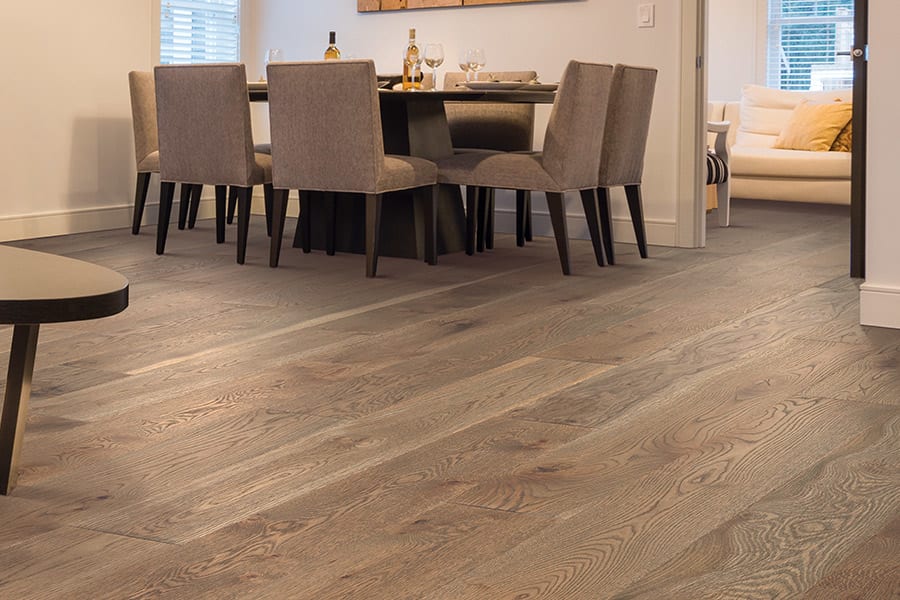
Hardwood flooring continues to be one of the most requested home upgrades for homeowners who want durability, long-term value, and timeless appeal. As we move into 2026, hardwood trends are shifting toward materials and finishes that balance design, performance, and sustainability.
Homeowners in Lorton, Virginia—and surrounding areas like Springfield, Fairfax, and Woodbridge—are becoming more intentional about flooring decisions. Rather than chasing short-lived trends, many are choosing hardwood options that fit their lifestyle, handle daily wear, and maintain their appeal over time.
Below are the hardwood flooring trends shaping homeowner decisions this year and what they mean when planning a flooring project.
Wider Planks Continue to Lead the Way
Wider hardwood planks remain one of the strongest trends heading into 2026. These planks create a cleaner, more open look that works especially well in modern and transitional homes.
Benefits of wider plank hardwood flooring include:
Fewer seams for a more seamless appearance
Rooms that feel larger and more open
Better visibility of natural grain patterns
Strong compatibility with open-concept layouts
Wider planks are especially popular in living rooms, kitchens, and main-level spaces where homeowners want visual continuity across rooms.
Natural and Neutral Wood Tones Are Back
Cool gray flooring has slowly given way to warmer, more natural wood tones. Homeowners are choosing colors that highlight the authentic look of wood instead of masking it.
Popular hardwood color trends include:
White oak and light oak
Soft beige and honey tones
Medium browns with subtle color variation
Natural finishes with minimal staining
These tones work well with both modern and traditional interiors and are easier to match with changing furniture and décor.
Matte and Low-Sheen Finishes for Everyday Living
Glossy floors are being replaced by matte and satin finishes that offer a more natural look and better performance in busy homes.
Low-sheen finishes are popular because they:
Hide scratches, dust, and footprints
Reduce glare from windows and lighting
Require less frequent maintenance
Create a more authentic wood appearance
For households with children or pets, matte finishes provide a practical balance between style and durability.
Engineered Hardwood for Added Stability
Engineered hardwood continues to gain popularity, particularly in homes where moisture and temperature changes are a concern. Northern Virginia homes experience seasonal humidity shifts that can impact solid wood flooring.
Engineered hardwood offers:
Greater resistance to warping and expansion
Compatibility with concrete subfloors
Better performance in basements and lower levels
The same visual appeal as solid hardwood
Many homeowners choose engineered hardwood for spaces where stability is a priority without sacrificing appearance.
Eco-Friendly and Sustainable Flooring Choices
Sustainability is becoming a key consideration in flooring decisions. Homeowners want materials that are responsibly sourced and safe for indoor air quality.
Eco-friendly hardwood trends include:
Wood sourced from responsibly managed forests
Reclaimed and recycled hardwood materials
Low-VOC finishes and adhesives
Durable products designed to last longer
These options appeal to homeowners who want beautiful floors while minimizing environmental impact.
Texture Adds Character Without the Rustic Look
Light texture is making a comeback—but in a more refined way. Wire-brushed and lightly textured finishes add depth without the heavy distressing seen in past trends.
Why textured hardwood floors are popular:
They help hide everyday wear
Add visual interest to large spaces
Create a comfortable, lived-in feel
This trend works especially well in family homes and high-traffic areas.
Choosing Hardwood Flooring That Fits Your Lifestyle
While trends provide inspiration, lifestyle should always guide the final decision. Foot traffic, pets, children, and daily routines all affect how hardwood flooring performs.
Homeowners often prioritize:
Harder wood species for durability
Engineered products for moisture resistance
Matte finishes for easier upkeep
Wider planks for visual consistency
A professionally installed hardwood flooring system ensures these choices perform as expected over time.
Why Professional Installation Matters
Even the best flooring materials can fail without proper installation. Subfloor condition, moisture levels, and acclimation all play a critical role in long-term performance.
Professional installers help with:
Evaluating and preparing the subfloor
Proper material acclimation
Correct installation techniques
Clean, precise finishing
These steps protect your investment and help avoid costly issues later.
Planning for Long-Term Value
Hardwood flooring is often chosen for its ability to add value to a home. Trends that focus on durability, neutral tones, and quality installation tend to age better and maintain resale appeal.
Businesses often mention that homeowners who plan carefully upfront are more satisfied with their flooring investment over time.
Ready to Explore Hardwood Flooring Options?
If you’re planning a flooring upgrade, understanding current hardwood trends can help you make a confident, informed decision.
For expert guidance and a personalized recommendation, schedule a free estimate with Kruper Flooring:
https://www.kruperflooring.com/free-estimate
Many companies notice that when homeowners balance trends with practical considerations, the final result feels like a true upgrade—not just a cosmetic change.
FAQ Section
Q1: What hardwood flooring trends are popular in 2026?
Wider planks, natural wood tones, matte finishes, and engineered hardwood are leading choices.
Q2: Is engineered hardwood better than solid hardwood?
Engineered hardwood offers more stability, while solid hardwood allows for more refinishing.
Q3: Are matte finishes harder to maintain?
No. They usually hide dust and scratches better than glossy finishes.
Q4: Does hardwood flooring increase home value?
Yes. Hardwood floors are widely viewed as a long-term investment.


